Starting IVF? Here's an honest guide to the information sources patients actually use — what helps, what misleads, and how to find expert-led education you can trust.
The week you decide to start IVF, the internet becomes a very different place. One moment you're reading about success rates; the next, you're three Reddit threads deep at midnight, convinced that your protocol is wrong, your clinic is outdated, and that someone in a Facebook group somehow knows more than your doctor. Sound familiar?
Here's the thing: searching for answers is not a problem. It's one of the most human things a person can do when facing something scary, uncertain, and deeply personal. The impulse to understand — to feel prepared, informed, in control — is not a flaw in your character. It's a sign that you care.
But not all information sources are created equal. And the wrong ones don't just waste your time — they can quietly increase your anxiety, delay your care, or lead you to decisions based on myth rather than medicine. This article is a practical guide to separating signal from noise in the IVF information space: what to use, what to approach with caution, and where to find the kind of structured, expert-backed education that can genuinely support your journey.
If you've been researching IVF online, you're in very good company. A 2024 study in Human Fertility found that 61% of US adults search for health problems online, and that the quality of fertility-related social media content is deeply inconsistent, with only a fraction of posts rated as both accurate and credible.
When people turn to the internet during an IVF journey, they're usually looking for one of three things:
Each of these motivations is completely legitimate. The problem arises when the wrong platform is used to meet the wrong need. Seeking clinical decision support from a personal blog, or using an anonymous forum to evaluate a medical protocol, is a mismatch that can cause more confusion than clarity.
Social media has earned its place in the IVF patient experience, and it's worth acknowledging why. A study of Instagram's #ivfcommunity found that patients predominantly use social platforms for emotional documentation, community support, and coping — and that this kind of peer connection can provide a necessary outlet for experiences that are difficult to discuss elsewhere.
That's real value. But social media has a structural problem that no amount of good intentions can fully solve: the algorithm rewards engagement, not accuracy. A TikTok fertility study found that the most common reason users disliked the platform was misinformation — specifically around IVF complications, success rates, and nutritional advice. Some patients reported following advice from videos without consulting their doctor first.
The American Society for Reproductive Medicine (ASRM) has also noted that social media tends to showcase success stories while quietly omitting the many unseen failures — creating a skewed picture that can leave patients feeling like they're the only ones struggling, or that success is simply a matter of finding the right clinic or supplement.
How to use it well: Use social media for community and emotional support. Follow accounts run by board-certified fertility specialists. But do not use it to make clinical decisions.
Communities like Reddit's r/infertility or condition-specific Facebook groups offer something genuinely irreplaceable: the feeling of being understood by people who have actually been through it. When your family doesn't quite know what to say, and your friends can't relate, knowing that thousands of others have felt exactly what you're feeling right now is no small thing.
But research published in a peer-reviewed journal found that online peer support communities can act as a "double-edged sword" when not moderated by professionals. Some participants reported negative collective emotions, misinformation concerns, and unexpected feelings of unrelatability even within groups of people sharing similar experiences.
The Society of Behavioral Medicine notes that IVF support groups can "fuel anxieties with pregnancy announcements or stories of failed transfers," and may lead to unhelpful social comparisons — particularly because each IVF protocol is unique, and what worked (or didn't work) for someone else may have little bearing on your situation.
How to use it well: Seek out moderated communities where medical professionals are involved. Treat peer experiences as emotional context, never as clinical guidance. And pay attention to how you feel after spending time in these spaces. If they're increasing your anxiety rather than reducing it, it's okay to step back.
This one deserves an honest conversation. Many patients are already turning to ChatGPT, Gemini, or similar tools with questions they're too embarrassed or too rushed to ask their doctor. And to be fair, AI can genuinely help: for general explanations of medical terminology, for getting oriented before a clinic appointment, or for understanding what a specific test result might mean in broad terms.
But a peer-reviewed study comparing AI models with experienced fertility specialists found that physicians significantly outperformed AI in answering complex clinical fertility questions. The researchers concluded that AI should be viewed as a complementary resource, not a substitute for expert clinical judgment.
There's also a data quality issue: a 2024 study in Human Reproduction noted that ChatGPT's training data is entirely non-disclosed, and that poor-quality or outdated fertility information in its training set may result in incomplete or inaccurate answers — particularly on contested topics like IVF add-ons or treatment stopping criteria.
How to use it well: Use AI as a starting point for understanding concepts and preparing questions for your doctor. Do not use it for personalized clinical decision-making. For that, you need a verified human expert.
Here's a pattern that shows up again and again in fertility care: patients tend to swing between two extremes. Either they rely on informal, unverified sources — social media, forums, AI chatbots — or they wait passively for information from their clinic, which during a busy IVF cycle is often time-limited, fragmented, and overwhelming.
There's a whole category of resource that sits between these two extremes, and most patients don't know it exists: structured, curriculum-based online learning developed specifically for IVF patients by internationally recognized fertility specialists. This kind of platform offers the credibility of clinical expertise, the accessibility of an online format, and the depth that a 10-minute clinic appointment simply cannot provide.
Research published in Reproductive Health found that among 1,074 IVF patients surveyed, e-health literacy was a significant predictor of health outcomes — yet the majority of patients showed gaps in their ability to evaluate online fertility information critically. Being well-informed isn't just reassuring; it improves treatment adherence, decision-making confidence, and emotional resilience during what is already one of the most challenging experiences a person can go through.
This is exactly what the Family By Choice (FBC) platform was built to address. FBC offers structured online courses developed and taught by internationally recognized fertility specialists, covering the IVF process from initial workup through embryo transfer and beyond. The content is evidence-based, peer-reviewed, and updated to reflect current clinical practice. Instead of a search result, you get a roadmap.
One of the questions patients sometimes have about online education platforms is: "Who are the people actually teaching this?" It's a fair question. And it matters.
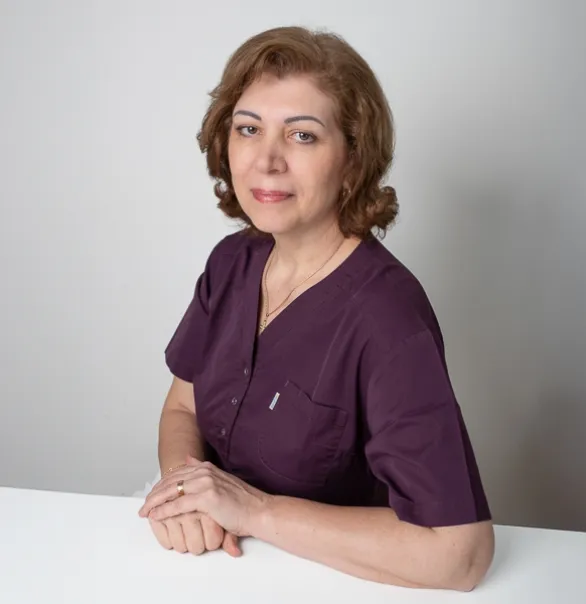
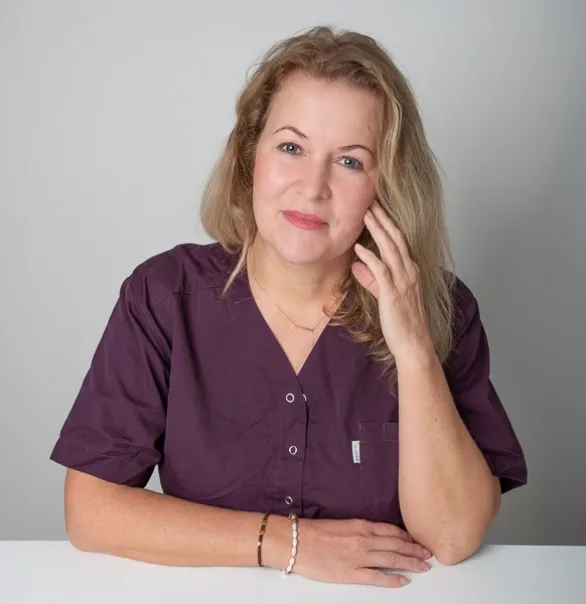
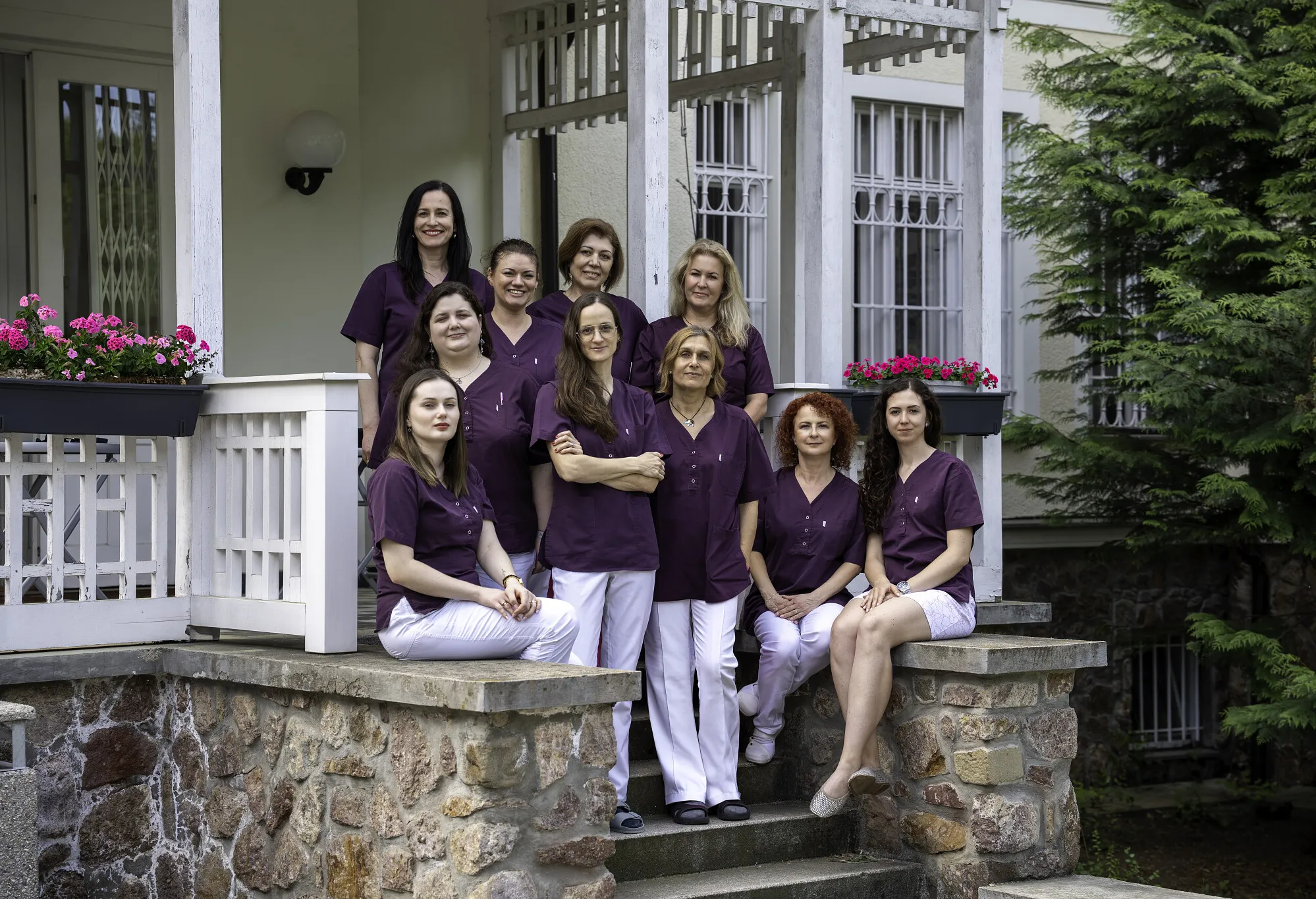
One of the FBC teaching team members is Dr. Martin Maderka, a fertility specialist whose clinical work and educational philosophy are closely aligned. Having a specialist who is part of both the clinic team and the FBC faculty means that the educational content on the platform reflects the same evidence-based approach patients experience in person.
This is the model that structured fertility education should follow: not anonymous content from an unknown source, but expert-led learning from clinicians who are accountable for what they teach. Patients don't have to choose between their clinic and self-education. The two are integrated — and learning on FBC is a natural extension of the care you're already receiving.
Before trusting any IVF source — whether it's a website, a video, a forum post, or an AI answer — run it through these five questions:
Research shows that the trustworthiness, quality, and credibility of health information are the most important factors people consider when evaluating digital health sources — yet many lack the tools to assess these factors systematically. Having a simple checklist like this one can make an enormous difference.
Wanting to understand your own treatment is not a weakness. It's not "overresearching." It's not anxiety getting the better of you. It's you showing up for yourself in one of the hardest things you may ever go through — and that deserves to be met with the highest quality information available.
The difference between feeling lost and feeling equipped often comes down to a single decision: choosing to learn from a source that was built with your wellbeing in mind, rather than one that was built for clicks, shares, or ad revenue.
When you're ready to take that step:
Your questions are valid. Your research instinct is good. Now let's make sure it's pointed in the right direction.
Please contact us or book an initial consultation. We're happy to help you find the right, trustworthy information for your situation.
Hlinky 144, 603 00 Brno, CZ