Extended embryo culture (EC) is a method in which embryos are allowed to grow under laboratory conditions until the 5th–6th day after fertilisation. It helps embryologists select high-quality embryos for transfer into the uterus (embryo transfer) or for freezing, and is necessary when genetic testing of embryos is planned.
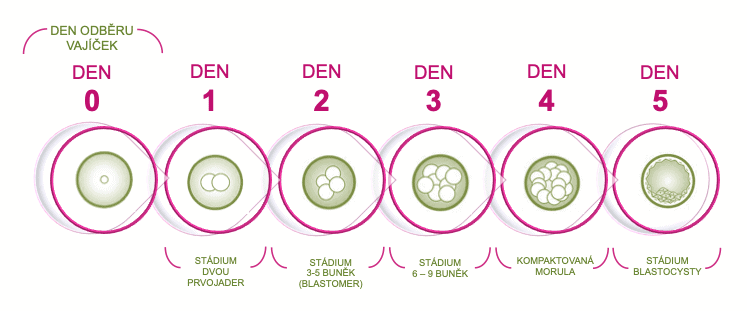
Extended embryo culture is a laboratory procedure in which embryos develop under carefully controlled conditions until the 5th–6th day after fertilisation, reaching the so-called blastocyst stage. This procedure allows embryologists to better assess the embryos' ability to continue developing and to select those with the highest chance of implantation in the uterus.
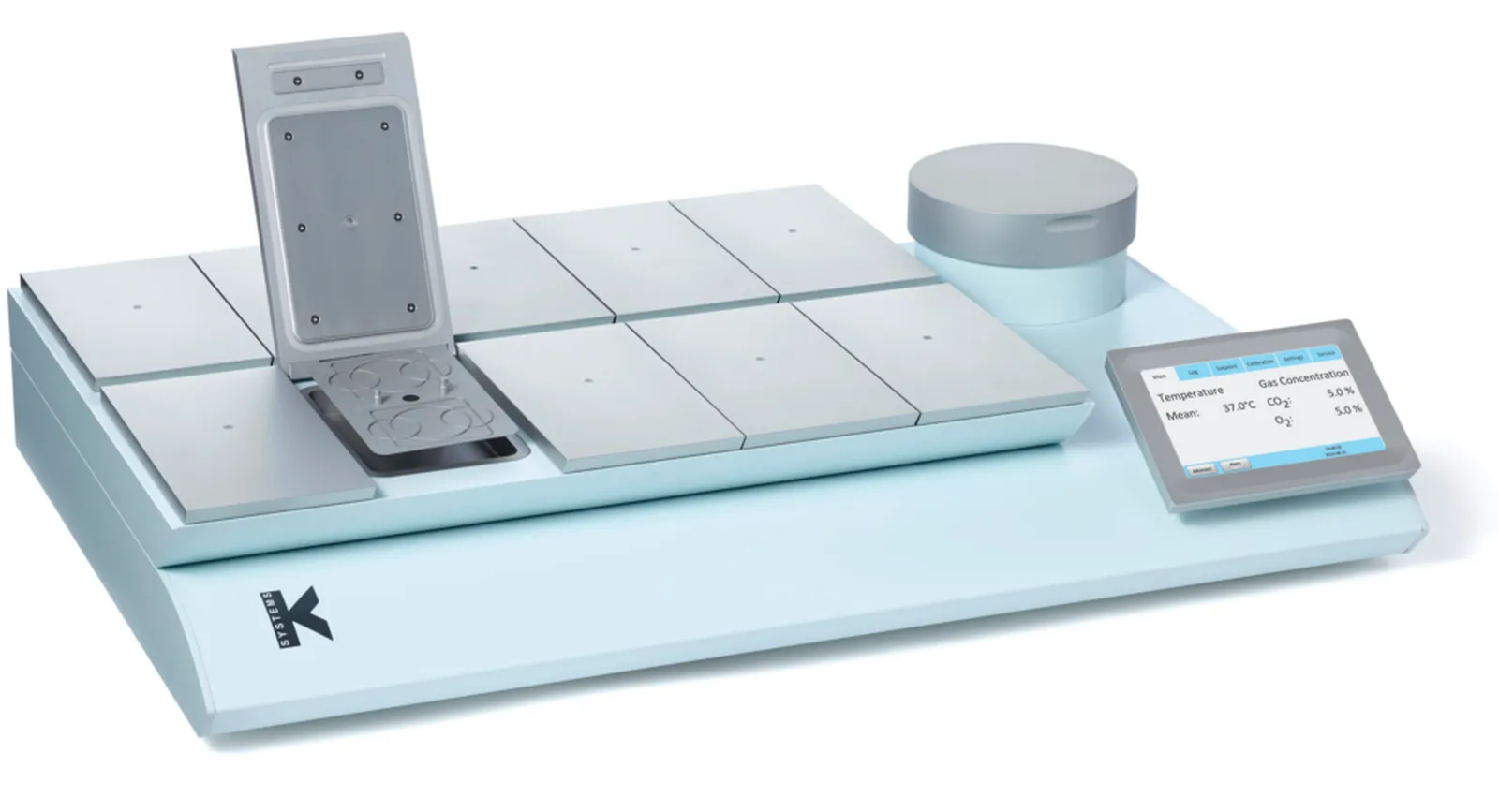
After the eggs are fertilised, the resulting embryos are cultured in special incubators that mimic the natural environment in the woman's body. During the first days of development, the cells gradually divide and a natural selection of embryos also takes place – only those capable of continuing proper development reach the blastocyst stage on the 5th–6th day of culture.
During the first three days, embryo development is controlled exclusively by maternal genetic information, and from the 3rd day onward, paternal genetic information gradually begins to take over control as well.
An embryo that is able to develop to the blastocyst stage has a significant chance of successful pregnancy. The blastocyst also represents the ideal stage for preimplantation genetic testing (PGT) and for cryopreservation, because its cells tolerate the freezing and thawing process much better.
It increases the probability of a successful pregnancy by helping select only embryos with a real chance of implantation for transfer into the uterus or for freezing.
It enables preimplantation genetic testing (PGT).
It ensures safer freezing of embryos for future use, as earlier developmental stages are more susceptible to damage caused by freezing.
Extended culture is a common standard of embryological care for all patients. It helps objectively assess which embryos have a chance of successful development and may also contribute to understanding the causes of a couple's infertility.
Hlinky 144, 603 00 Brno, CZ