Assisted hatching (AH)

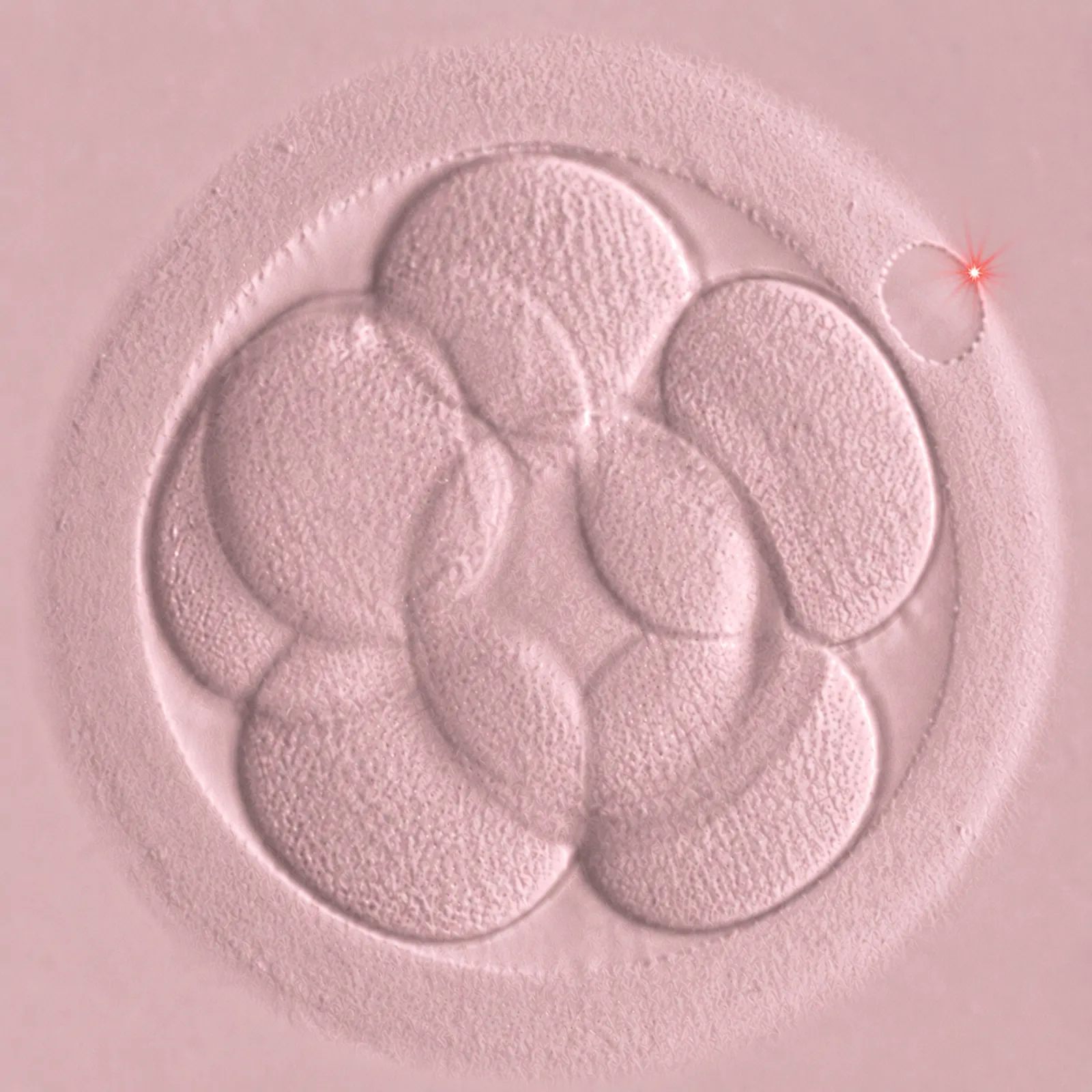
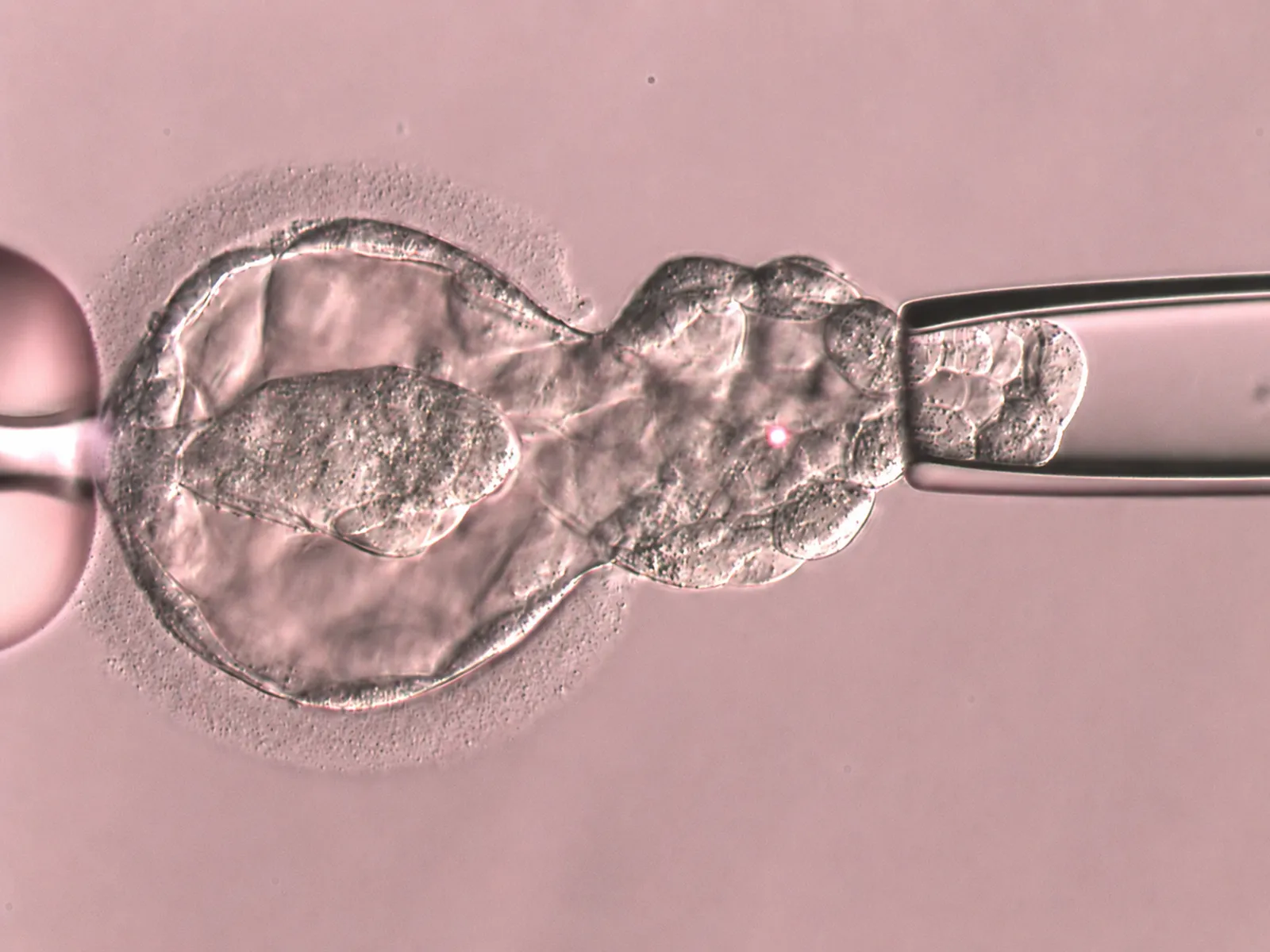
Assisted hatching (AH) is a method in which the outer shell of the embryo is gently disrupted using a laser. This may support its further development and make implantation in the uterus easier. The method is also used in connection with embryo freezing and forms part of the procedures used when genetic testing of embryos is planned.

Assisted hatching

What is assisted hatching

Assisted hatching (AH) is a laboratory method based on the targeted and gentle disruption of the embryo's protective outer shell using a laser. It is usually performed on day 3 of embryo culture for all embryos.

This precisely controlled procedure supports further embryo growth and helps facilitate implantation in the uterine lining. At the same time, it enables the safe collection of embryonic cells (biopsy) for preimplantation genetic testing (PGT) and helps ensure optimal cell protection during cryopreservation (freezing).

Scroll down

Supporting embryo growth and implantation with assisted hatching

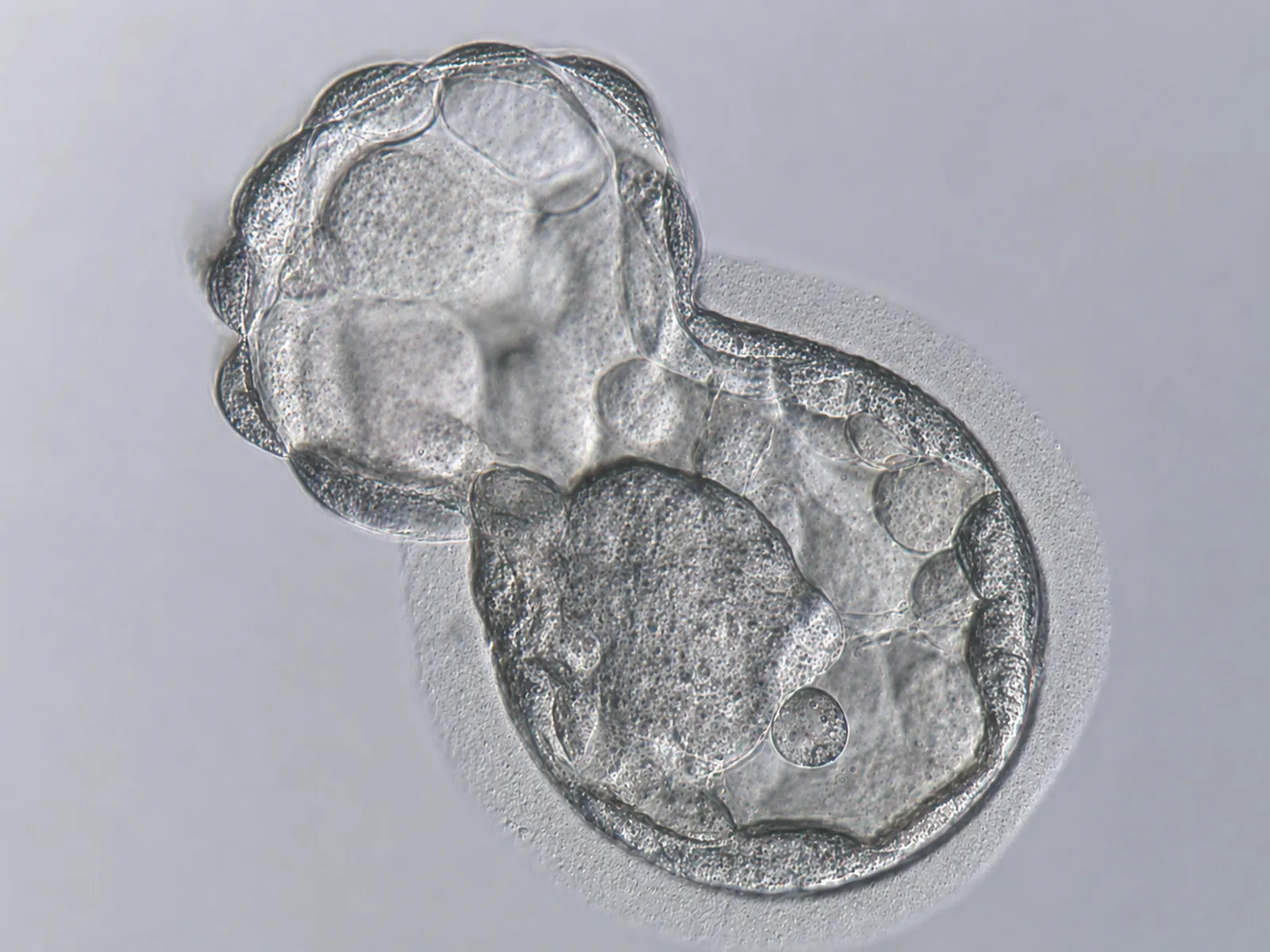
Each egg and later embryo has a protective outer shell on its surface during the first days of development, known as the zona pellucida. On the fifth to sixth day after fertilisation, the embryo naturally begins to leave this shell. This process is called hatching and is necessary for direct contact between the embryo and the uterine lining and for subsequent implantation.

A significantly thick or less permeable zona pellucida may have an unfavourable effect on proper embryo growth and create an unwanted barrier between the embryo and the uterine lining at the time of expected implantation. The embryo has to use a considerable amount of energy to leave this shell, which may negatively affect its further development and ability to implant successfully.This situation occurs more often in older patients, in thawed embryos or in embryos of lower quality. In these cases, assisted hatching may increase the chance of successful implantation.

Scroll down
Assisted hatching
Assisted hatching

Assisted hatching and preimplantation genetic testing (PGT)

The collection of embryonic cells, or biopsy, for preimplantation genetic testing is performed on five- to six-day-old embryos at the stage of a so-called hatching blastocyst. To obtain the highest possible number of embryos suitable for biopsy, assisted hatching is performed on all embryos on day 3 of culture. This supports their natural hatching from the embryo shell, which enables the safe collection of cells for genetic analysis.

Scroll down

Assisted hatching and embryo cryopreservation

Disrupting the embryo shell with a laser before freezing allows cryoprotective, meaning protective, solutions to penetrate the embryo more effectively and thus provide adequate protection of the cells against freezing-related damage that may occur during cryopreservation. After the embryo is thawed, assisted hatching helps its recovery and increases the chance of pregnancy after frozen embryo transfer (FET). For this reason, we perform assisted hatching automatically on all embryos intended for freezing.

Scroll down
Assisted hatching

Benefits of assisted hatching

Supports implantation of the embryo in the uterine lining.

Increases the number of embryos suitable for preimplantation genetic testing (PGT) and facilitates the collection of embryonic cells, known as biopsy.

Helps ensure better protection of embryo cells during freezing, meaning cryopreservation.

Facilitates embryo recovery after thawing before frozen embryo transfer (FET).

Frequently asked questions about assisted hatching

In which cases is assisted hatching recommended?

Assisted hatching is a method that can be used for all patients. It helps embryos develop better, supports their implantation in the uterus, protects embryo cells during the freezing process and is needed when genetic testing of embryos (PGT) is planned.

When is the procedure performed?

Assisted hatching is usually performed by an experienced embryologist on day 3 of embryo culture.

Is the method safe for the embryo?

Yes. A laser is used to target only the embryo's outer shell, not its cells.

Decorative graphic
Donation coordinator

Mgr. Hana Ströer

IVF Coordinator

Hlinky 144, 603 00 Brno, CZ

Do you need more information?
Contact us!

Potřebujete více informací?
Ozvěte se nám!