
Male fertility testing: Why a semen analysis alone may not be enough
18. 9. 2026


Male fertility assessment is an important part of couple diagnostics.
Our clinic offers comprehensive male fertility diagnostics, which help identify the cause of infertility and choose the most suitable treatment approach.

Sperm quality is influenced by a number of factors. These include lifestyle, hormonal balance, as well as genetic or immunological influences. In many cases, however, the cause of reduced fertility remains unclear. An unhealthy lifestyle in particular may have a negative impact, including smoking, excessive alcohol consumption, long-term stress, obesity or lack of physical activity.
Exposure to increased electromagnetic radiation, for example carrying a mobile phone in a trouser pocket or using a laptop on the lap, may also contribute to reduced sperm quality. Sperm may then have a reduced ability to reach the egg and fertilise it.

Male fertility depends primarily on the number, motility and morphology of sperm, but it can also be affected by other factors – genetic predispositions, hormonal disorders, inflammation, obstruction of the reproductive ducts, ejaculation disorders or immune reactions, in which the body produces antibodies against its own sperm. In some cases, the cause of infertility remains unexplained.

Basic information about the state of male fertility is provided by a semen analysis.
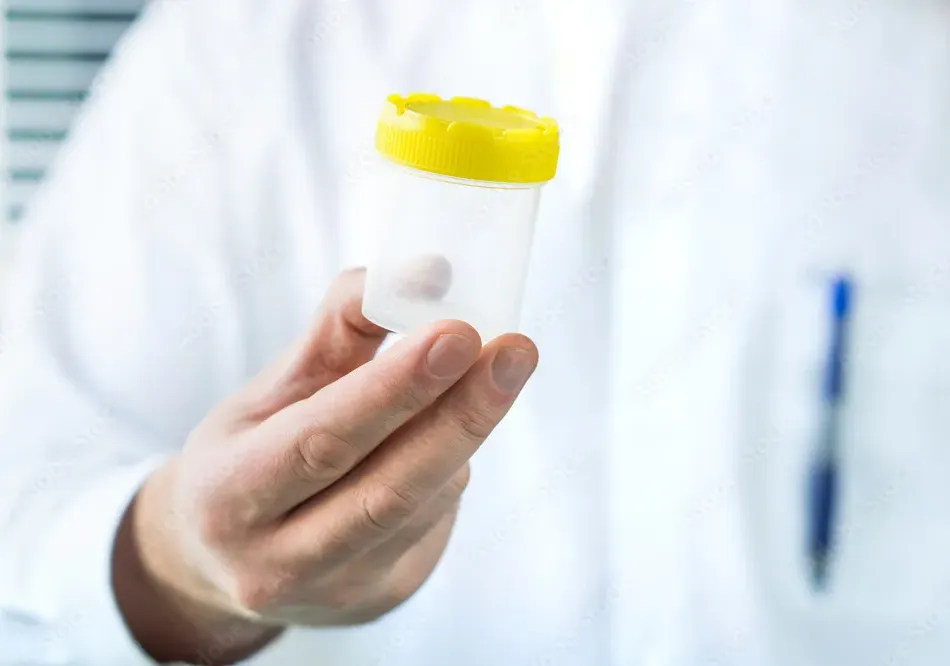
The examination is performed from a semen sample, collected by masturbation after 2–3 days of sexual abstinence. The result indicates whether the number and quality of sperm are sufficient for natural conception, or whether treatment or assisted reproduction methods should be considered.
Based on the semen analysis result, the doctor will recommend further examinations or an appropriate treatment method – from lifestyle changes and pharmacological support to assisted reproduction.

This test evaluates the condition of the genetic material (DNA) inside the sperm. Even sperm with normal appearance and motility may have damaged DNA, which reduces the chance of fertilisation and increases the risk of embryo implantation failure or early miscarriage. Sperm DNA damage may be caused by oxidative stress, smoking, inflammation, febrile illnesses, advanced age or exposure to toxins. We therefore recommend sperm DNA fragmentation testing for couples with repeated unsuccessful IVF cycles, spontaneous miscarriages or an unclear cause of infertility. The result helps the doctor determine whether it is appropriate to use special sperm selection methods, such as MACS or MSS.

An innovative test that assesses the function of the CatSper channel, which plays a key role in sperm flagellar hyperactivation and the sperm's ability to actively penetrate the egg. Impaired CatSper function may be a cause of failed natural fertilisation despite normal results in a basic semen analysis.

Assesses the presence of antisperm autoantibodies, which may cause sperm agglutination and reduce sperm motility and the ability to fertilise an egg naturally.
A comprehensive male fertility test (semen analysis, sperm DNA fragmentation test, MAR test and CatSper test) assesses key parameters of male fertility – from the basic characteristics of sperm to their functional and genetic quality and their ability to fertilise an egg naturally. The results help determine whether it is reasonable to continue trying to conceive naturally or through intrauterine insemination (IUI), or whether it may be better not to lose time and proceed directly to IVF treatment.

This test detects the presence of bacteria or inflammation in the ejaculate, which may reduce sperm quality and affect their ability to fertilise an egg.

A comprehensive examination of the male reproductive system performed by a specialist – an andrologist. It assesses the overall health status, testicular function, the presence of varicocele (enlarged veins in the scrotum) and other factors affecting sperm production.

The aim is to detect the presence of anti-sperm antibodies, which may limit sperm movement or prevent their penetration into the egg.

Karyotype testing helps detect congenital genetic abnormalities that may be the cause of infertility, reduced sperm quality or repeated miscarriages in the partner. It is recommended for men with absence of sperm in the ejaculate (azoospermia) or in cases of risk of a hereditary disorder.

In indicated cases, a blood test is performed to determine the levels of the hormones FSH, LH and testosterone, which regulate sperm production and testicular function. Abnormal hormone levels may indicate impaired sperm production or a hormonal imbalance affecting fertility.
A semen sample is collected by masturbation into a sterile container in the privacy of a collection room. By prior arrangement, it may also be possible to bring the sample from home, provided that the required collection and transport conditions are met.
Before collection, 2–3 days of sexual abstinence are recommended. The sample is then examined in the laboratory, where sperm count, motility and morphology are assessed.
If you and your partner have been unable to conceive after 12 months of regular unprotected intercourse, or after 6 months if your partner is over 35. The examination may also be useful preventively – for example before planning parenthood or after inflammation, surgery or testicular disease.
Sperm quality may temporarily deteriorate during febrile illnesses, stress, fatigue or after taking certain medications. It is therefore advisable to repeat the examination after several weeks to verify the result.
A healthy lifestyle may contribute to improved sperm quality. Sufficient sleep, stress reduction, a balanced diet, regular physical activity and maintaining an optimal weight are important. We recommend avoiding smoking, limiting alcohol and avoiding carrying a mobile phone in a trouser pocket or using a laptop on the lap. In some cases, the doctor may also recommend dietary supplements or targeted treatment.


Hlinky 144, 603 00 Brno, CZ

Hlinky 144, 603 00 Brno, CZ