Infertility treatment today offers increasingly thorough methods that can significantly increase the chance of pregnancy. One of them is hysteroscopy – a gynaecological procedure that allows a detailed examination of the uterine cavity and, at the same time, treatment of problems that may prevent natural conception or successful IVF.
At the ReproGenesis clinic in Brno, we now offer hysteroscopy as part of comprehensive infertility treatment. We spoke with Dr Larysa Datsiuk about when hysteroscopy is appropriate, how it is performed and why it can significantly help in infertility treatment.
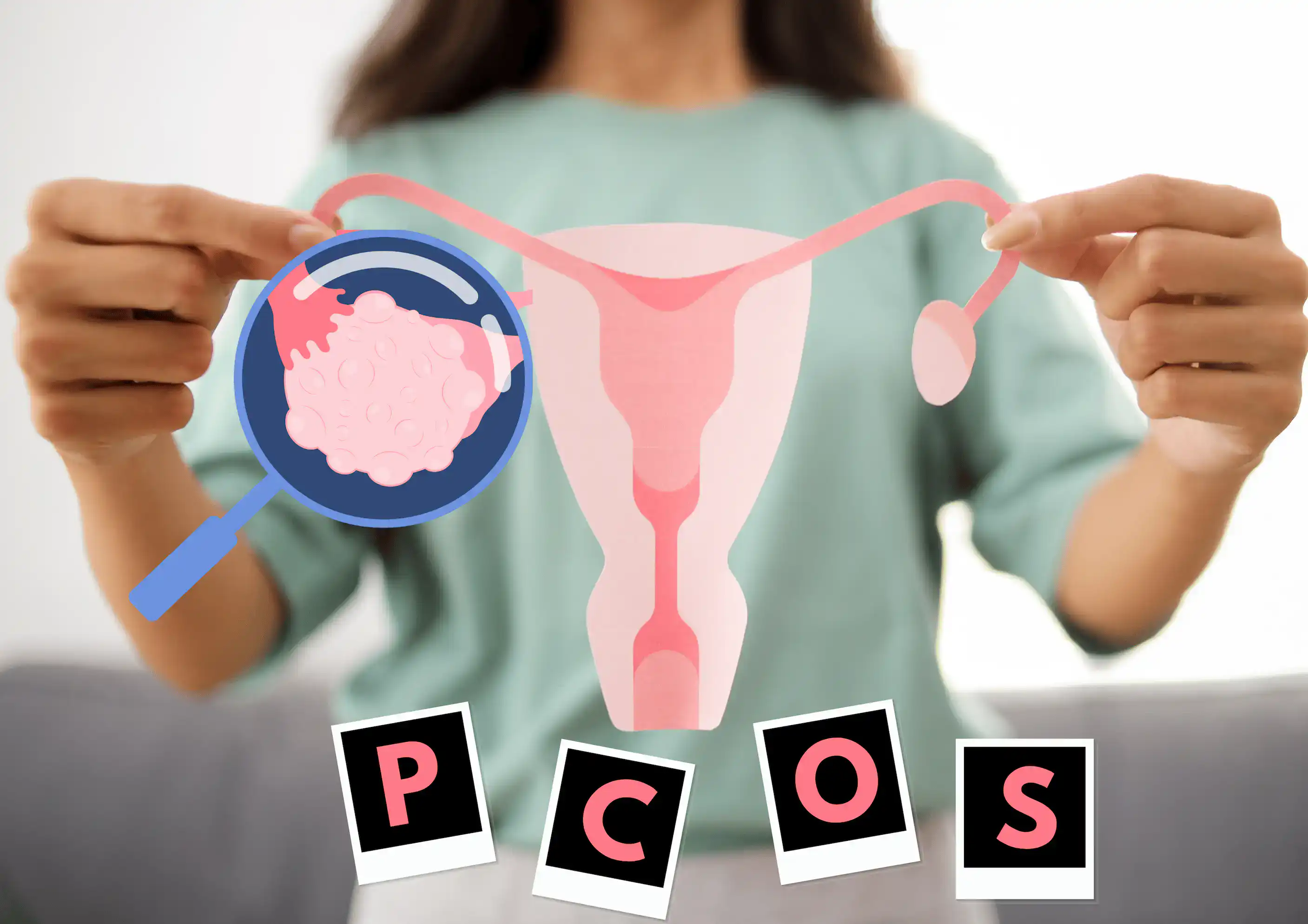
Hysteroscopy is a minimally invasive gynaecological procedure in which we examine the uterine cavity using a very thin optical instrument – a hysteroscope. This allows the doctor to see the uterus "from the inside" and detect even small changes that may not be picked up by a routine ultrasound examination.
A major advantage is that hysteroscopy is not used only for diagnosis. If we discover a problem during the examination, such as a polyp, we can often remove it during the same procedure.
The uterine cavity plays a crucial role in embryo implantation. Any changes or unfavourable conditions within it may make conception and the implantation of the embryo more difficult.
Hysteroscopy in infertility treatment helps identify causes that may reduce the chance of pregnancy or lead to repeated IVF failures. The most common findings are uterine polyps, adhesions, congenital uterine abnormalities or fibroids that distort the uterine cavity.
Removing these obstacles can significantly increase the likelihood of a successful pregnancy.
Hysteroscopy is suitable, for example, for women who have been unable to conceive for a long time, after repeated unsuccessful IVF cycles, when uterine abnormalities are suspected, in cases of irregular bleeding or other gynaecological problems.
Hysteroscopy is not performed routinely, but only after all options have been assessed.
The patient comes to the clinic at a prearranged time. The procedure is generally performed under short general anaesthesia, so it is necessary to arrive on an empty stomach. General anaesthesia is not mandatory, however – by agreement, the procedure can also be performed without it.
The doctor then introduces a thin hysteroscope through the cervix into the uterine cavity. The examination itself usually takes only a few minutes. During it, the doctor assesses the appearance of the uterine cavity, the endometrium and the openings of the fallopian tubes. If any abnormalities or pathological changes are found, in most cases they can be removed during the same procedure.
This is a very common question from patients. There is no need to worry. Thanks to the anaesthesia, the patient does not feel any pain. Our aim is to make the entire process as comfortable as possible for women and free of unnecessary stress.
In most cases, very quickly. We recommend taking things a little easier for a few days, but recovery is usually short.
Yes, in many cases it can. If we remove an obstacle in the uterine cavity or improve the conditions for embryo implantation, we increase the chance of successful implantation.
Hysteroscopy is now considered an important part of modern reproductive medicine, especially for patients who have experienced repeated unsuccessful attempts to conceive.
Every case is, of course, individual, but properly timed hysteroscopy can be an important step on the path to the desired pregnancy.
A major advantage is the comprehensive approach. At the ReproGenesis clinic, we can immediately link the hysteroscopy results to the next treatment plan. The patient therefore does not need to undergo examinations at different facilities, and the whole process is faster, more efficient and more comfortable. We also have experience with patients undergoing infertility treatment, so we know exactly what to focus on during the examination from the perspective of reproductive medicine.
Hysteroscopy is a highly effective method that can reveal hidden causes of infertility and increase the chance of a successful pregnancy. Our clinic now offers hysteroscopy as part of comprehensive care for women who want to take an active approach to their fertility and increase the chance of successful treatment.
Book a consultation at our ReproGenesis clinic. Our team of specialists will recommend the most suitable approach and help you find a path to a successful pregnancy.
Contact us to learn more about hysteroscopy and infertility treatment options.

Hlinky 144, 603 00 Brno, CZ