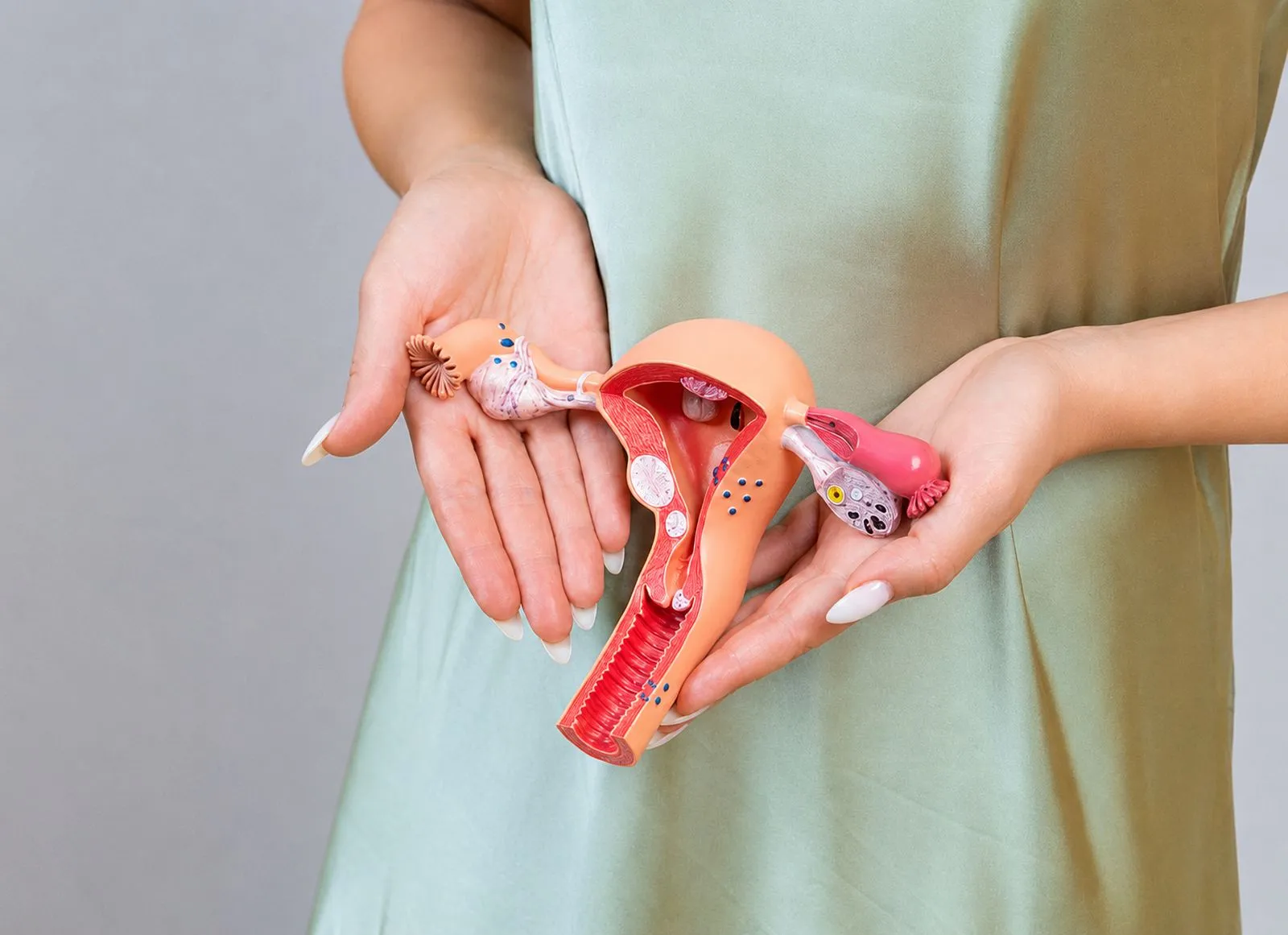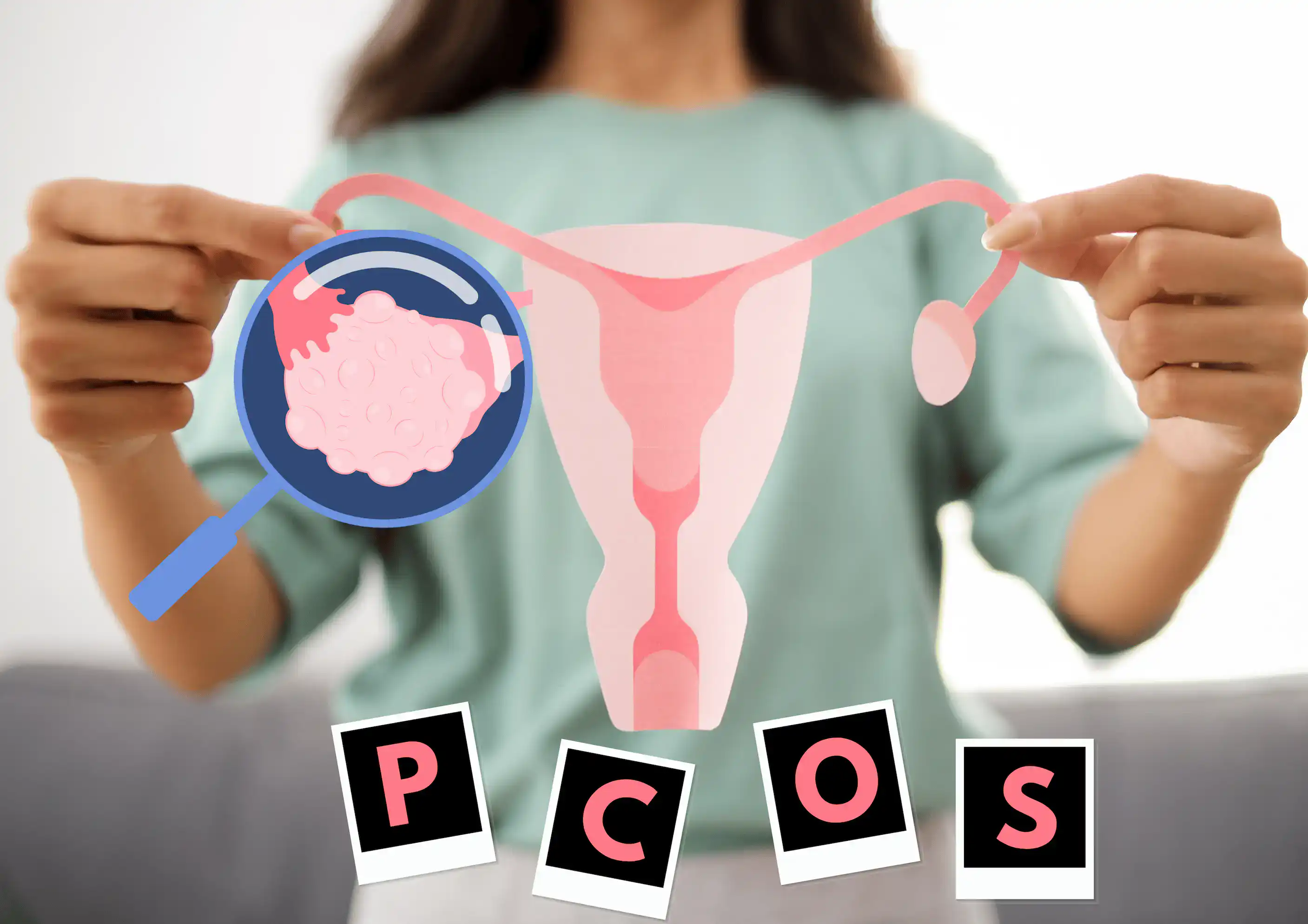
Polycystic ovary syndrome (PCOS), often referred to as polycystic ovaries, is one of the most common hormonal disorders in women of reproductive age. Typical features include irregular ovulation, elevated levels of androgens – male hormones – and often the presence of small cysts in the ovaries.
PCOS may significantly reduce the chance of natural conception because ovulation is irregular or absent. At ReproGenesis, we always begin with the gentlest possible approach. We try to support ovulation and conception using more natural methods, such as timed intercourse or intrauterine insemination (IUI). If pregnancy is not achieved in this way, we proceed to specialist infertility treatment, such as IVF.
Thanks to an individual approach and modern technologies, we can adapt treatment to the specific hormonal situation and needs of each patient with PCOS.
Typical symptoms of PCOS
Every woman with PCOS has a different hormonal balance and responds differently to treatment. This is why ReproGenesis takes an individual approach. After the initial consultation and hormonal assessment, we propose a safe, tailored stimulation protocol.
Throughout the IVF process, you are supported by a specialist doctor and a personal coordinator who know your case and are there for you at every stage of treatment.
We use an antagonist protocol, which allows stimulation to be managed flexibly. This is important for patients with PCOS because they may develop a larger number of follicles, increasing the risk of ovarian hyperstimulation syndrome (OHSS). If the response to stimulation is stronger, we may use a GnRH trigger instead of a conventional hCG trigger to help reduce this risk.
In some cases, we recommend a Freeze All strategy – freezing all embryos and transferring them in a later cycle when the hormonal environment is more stable.
PCOS is a hormonal disorder that may disrupt or completely stop ovulation. Natural conception is not possible without ovulation. In some women, ovulation is very irregular; in others, it does not occur at all.
IVF makes it possible to retrieve eggs from the woman’s body and fertilise them in the laboratory. Controlled hormonal stimulation allows several follicles to develop, after which an embryo suitable for transfer can be selected.
Treatment is tailored individually according to the results and the patient’s response. At ReproGenesis, we use stimulation protocols designed to reduce the risk of hyperstimulation and adjust medication doses continuously.
OHSS, or ovarian hyperstimulation syndrome, is a complication in which the ovaries respond excessively to stimulation. We reduce the risk through an appropriate protocol, regular monitoring and, where indicated, the use of a GnRH trigger.
Freeze All is a strategy in which all embryos are frozen after egg retrieval and the transfer takes place in a later cycle. This approach may be suitable when the patient’s hormonal environment needs time to stabilise.
Please contact us or book an initial consultation. Together, we will discuss your situation and treatment options if PCOS is making your path to pregnancy more difficult.
Hlinky 144, 603 00 Brno, CZ